
Healthcare Should Have a Direction.
Care that operates in pieces produces information. It does not produce a plan.
Emerald Peak was built around the idea that someone should understand the whole picture, help decide what deserves attention first, and hold the direction over time.
That role begins with the physician.
Measure
Establish useful baselines and follow meaningful change.
Interpret
Data matters only when it is understood in clinical context.
Act
Recommendations should have a reason, an objective, and a way to determine whether they are working.
Reassess
Health changes. Goals change. Evidence changes. The strategy should be able to change with them.
Precision is knowing what not to do, too.
- Reducing cardiovascular risk
- Maintaining muscle while losing weight
- Skiing at 70
- Leading a company without sacrificing sleep and family
- Returning from an injury
- Managing a chronic condition exceptionally well
- Remaining independent
- Understanding health well enough to make better decisions
The destination belongs to the member. Our job is to help build the path.
That is what Reach the Peak means: a goal that is yours, a strategy that is built for it, and a physician who stays with you along the way.
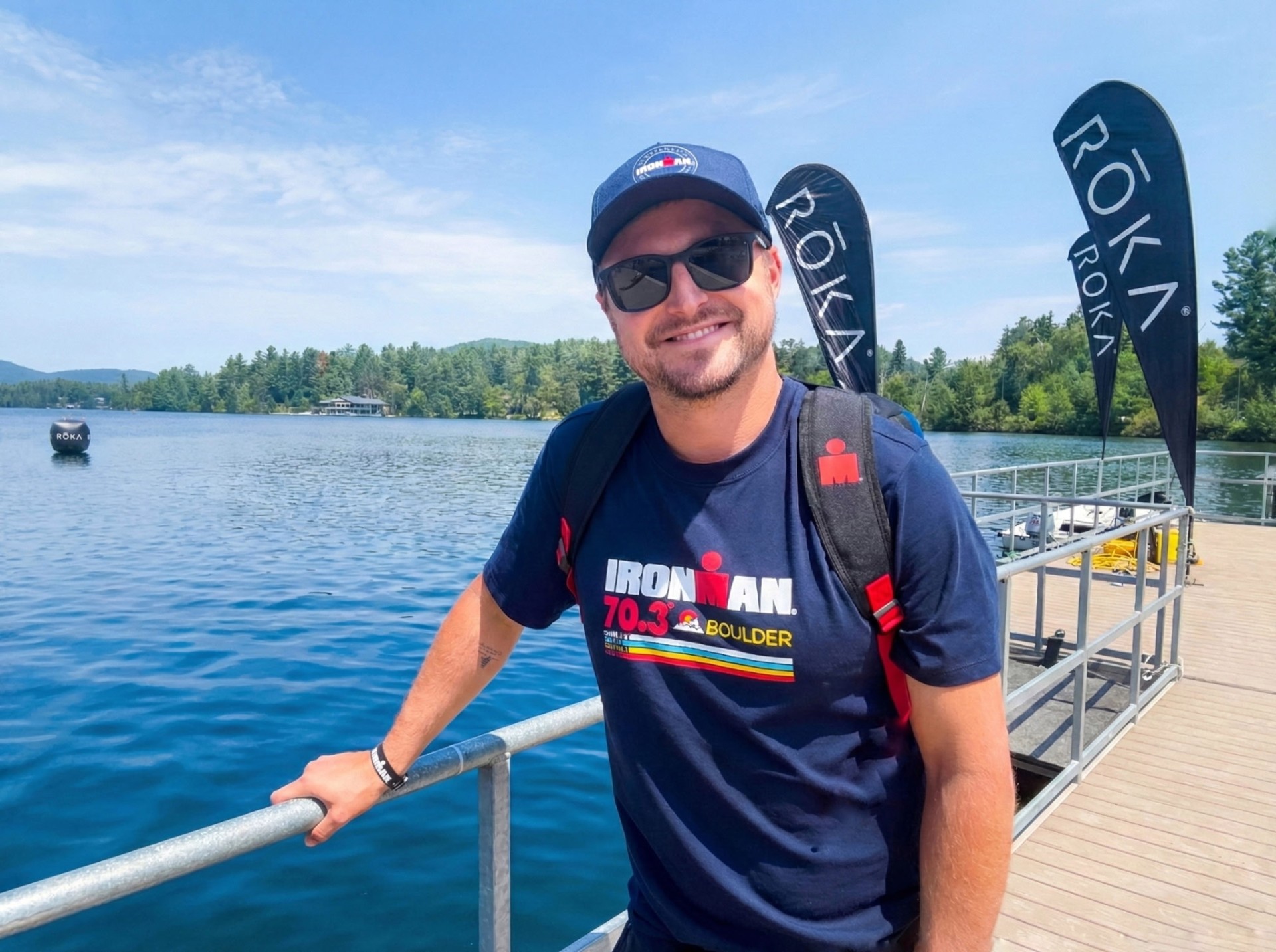
Meet Mark Gaynor, MD, MBA
Dr. Mark Gaynor built Emerald Peak Health after experiencing healthcare from both sides of the system: as the physician caring for individual patients and as a medical leader responsible for care across hospitals.
His career has provided a close view of what modern healthcare does extraordinarily well and where patients are still asked to navigate complexity largely on their own.
Emerald Peak is an attempt to build the kind of longitudinal health model he believes should exist: medically rigorous, highly personal, measurement-driven, and capable of connecting expertise around the individual rather than forcing the individual to connect it themselves.
- Education
- Michigan State University, Microbiology and Molecular Genetics. Ross University School of Medicine, MD.
- Training
- Internal Medicine residency, MedStar Health, Baltimore.
- Leadership
- MBA in Health Administration, University of Colorado Denver. Executive Medical Director for Hospital Medicine, CommonSpirit Health Mountain Region, overseeing hospital medicine operations across 11 hospitals.
I have spent my career inside healthcare.
I have seen what happens when the system works exceptionally well, and I have seen how difficult it can be for patients to make sense of it when care becomes fragmented.
I also saw another gap.
Many people who care deeply about their health do not need more information. They need someone to help determine what matters, put it in context, build a plan, and stay engaged long enough to know whether that plan is working.
That is what I wanted Emerald Peak to become.
Not a place built around a single treatment. Not a collection of tests. Not primary care separated from everything else.
A medical home where we can understand where you are, define where you want to go, bring in the right expertise, measure progress, and keep refining the strategy over time.
That is what Reach the Peak means to me.
Mark Gaynor, MD, MBA
Founder, Emerald Peak Health
Health and longevity are rapidly evolving fields. Emerald Peak intends to remain curious about new diagnostics, therapies, technologies, and approaches without assuming that newer automatically means better.
We will evaluate emerging options through the same questions:
- Is there a meaningful clinical rationale?
- What does the evidence actually show?
- What are the potential benefits?
- What are the risks and uncertainties?
- Will the information or intervention change what we do?
- Is it appropriate for this member?
Open to what is next. Grounded in what is known.
Building the Model Deliberately.
Emerald Peak is being built in stages. Medicine establishes the foundation. Performance expands the ability to measure and build physical capacity. Mindset brings behavioral and psychological expertise into the strategy.
The planned Emerald Peak location will create a physical environment designed around deeper medical care, Performance integration, recovery, and member experience.
The goal is not to add services simply to make the menu longer. The goal is to build the capabilities that make the model better.